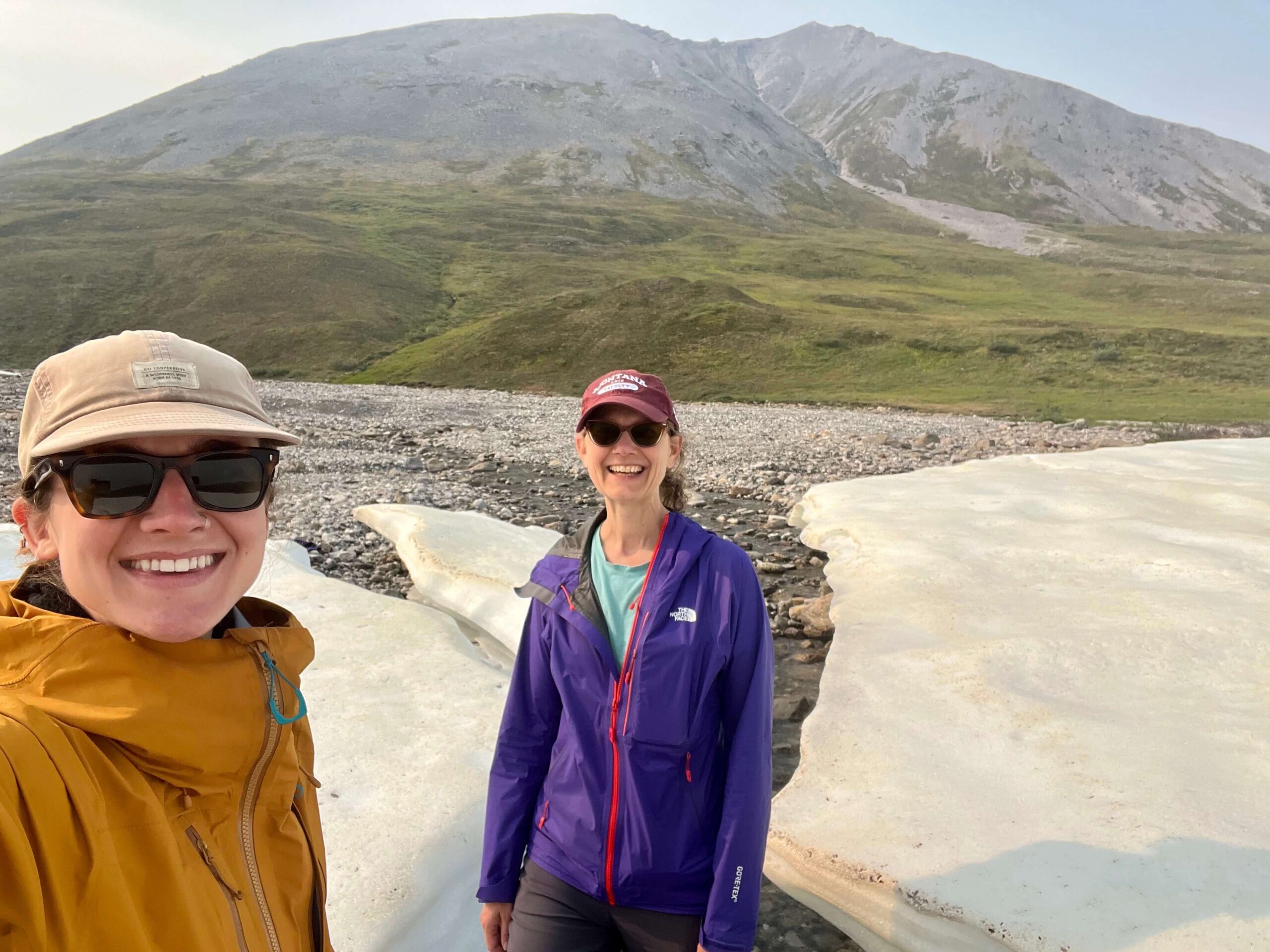
Scientists and Students at the University of Montana Are Helping Update an Archive That’s Empowering Engineers, Communities, and More
Dr. Anna Klene, a Professor of Geography at the University of Montana, has a long history with data visualization tools. She’s putting that history to work in the classroom, using Surfer and Grapher to train the next generation of geoscientists. And with both software available, her master’s students have what they need to process and visualize vital permafrost data that’s helping modelers, engineers, and communities alike make informed decisions for the future.
A Long-Standing Relationship with Golden Software
When Dr. Klene was hired at the University of Montana, she was excited to learn that her department already had access to Surfer and Grapher, as she had used both tools since her master’s student days. In fact, upon getting hired, she discovered that the University of Montana shared a unique, long-standing connection with Golden Software.
“Pat Madison was a co-founder of Golden Software, and his dad worked in the university’s old Journalism Building (now Stone Hall) running the printing press,” Dr. Klene explained. “When the school built a new Journalism building, the geography department moved into the old one, but the printing press stayed there because they couldn’t get it out without taking it apart. So there are deep roots of Golden Software being in this building and on campus.”
It’s this long tradition that has given Dr. Klene the opportunity to introduce Surfer and Grapher to her master’s students so they have real-world experience using tools that will help them process and visualize data effectively.
Collecting Critical Permafrost Data
The data that Dr. Klene and her students work with is complex and critical to science and engineering. Their research focuses on permafrost in northern Alaska, specifically the active layer, which is the upper part of the ground that freezes and thaws annually above the permanently frozen permafrost.
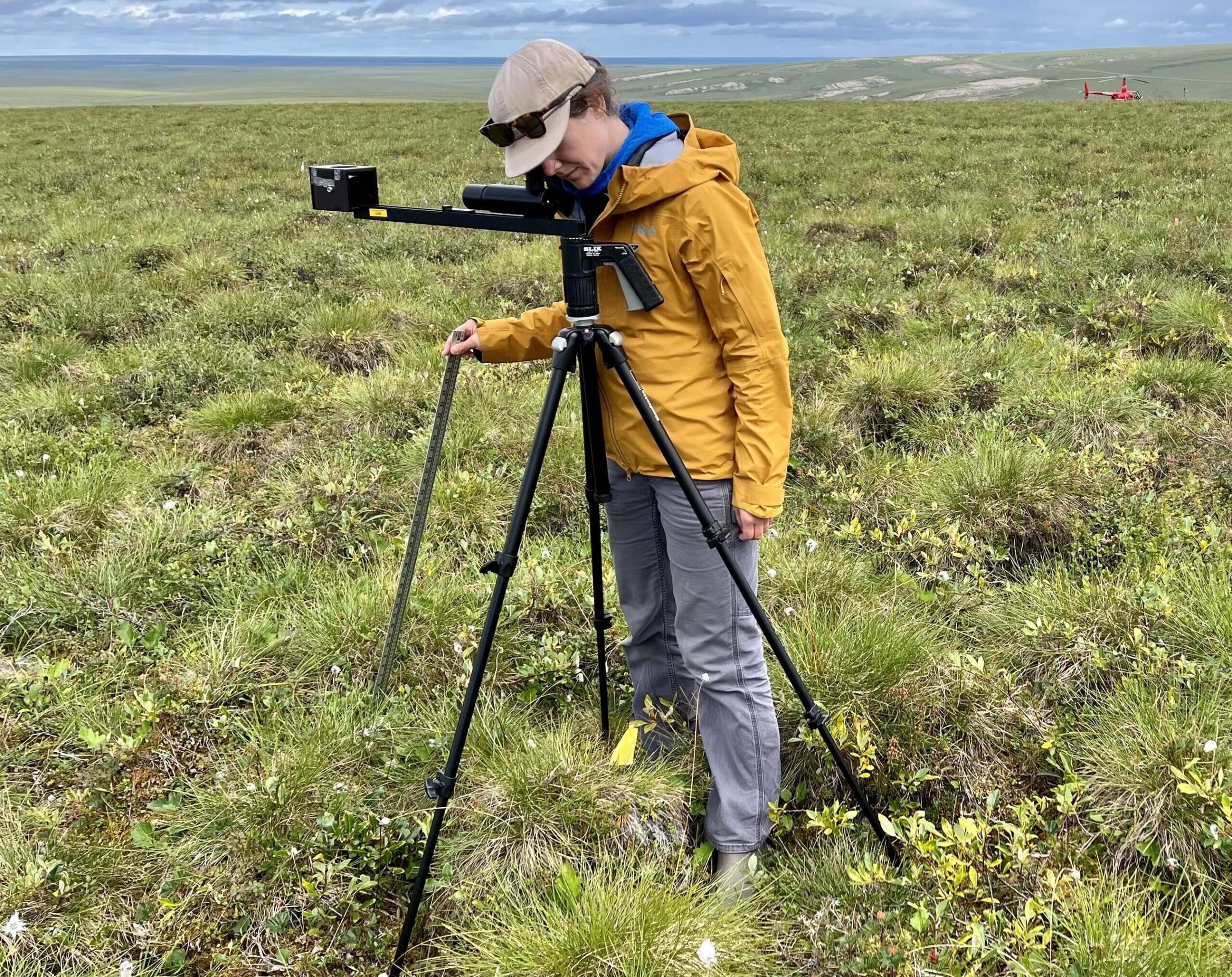
To get the necessary data, the measurement process is straightforward: insert a metal rod into the ground until it hits the hard frozen permafrost table. At their research sites, the permafrost table can be quite shallow, sometimes just 30 centimeters, or it can reach two meters or more under shallow lakes. The main challenge, however, is the high spatial variability of the active layer. It can vary by more than 100% within just 2 meters due to differences in soil thermodynamics, vegetation, and the thermal insulation provided by the thick moss layer and snow accumulation.
Because of this complexity, Dr. Klene and her students often use transects or grids when collecting data for processing in Surfer. On the coastal plain, the variability is more predictable, which makes gridding a reasonable approach. But in the southern part of the study area, Dr. Klene and her students know they are interpolating from a sampling of points to make their estimates due to the extremely complicated local-scale conditions.
Empowering the Global Community Through Data Archiving and Long-Term Monitoring
While complex, Dr. Klene and her students’ research is a piece of a larger and necessary mission. Dr. Klene is one of five Principal Investigators on the Circumpolar Active Layer Monitoring (CALM) NSF grant, and she and her students are part of a collaborative team that includes professors, researchers, and students at George Washington University, Northern Michigan, and the University of Alaska Fairbanks. The grant supports the team’s research in northern Alaska as well as coordinating the international CALM network, which archives standardized data from over 250 sites in more than 15 countries around the world, including the data gathered by students at the University of Montana and other institutions. All sites use consistent sampling methods, which ensure data quality for the international user base. Additionally, this standardized, publicly available data is held in a central archive with other permafrost records for worldwide use as part of the Global Terrestrial Network for Permafrost.
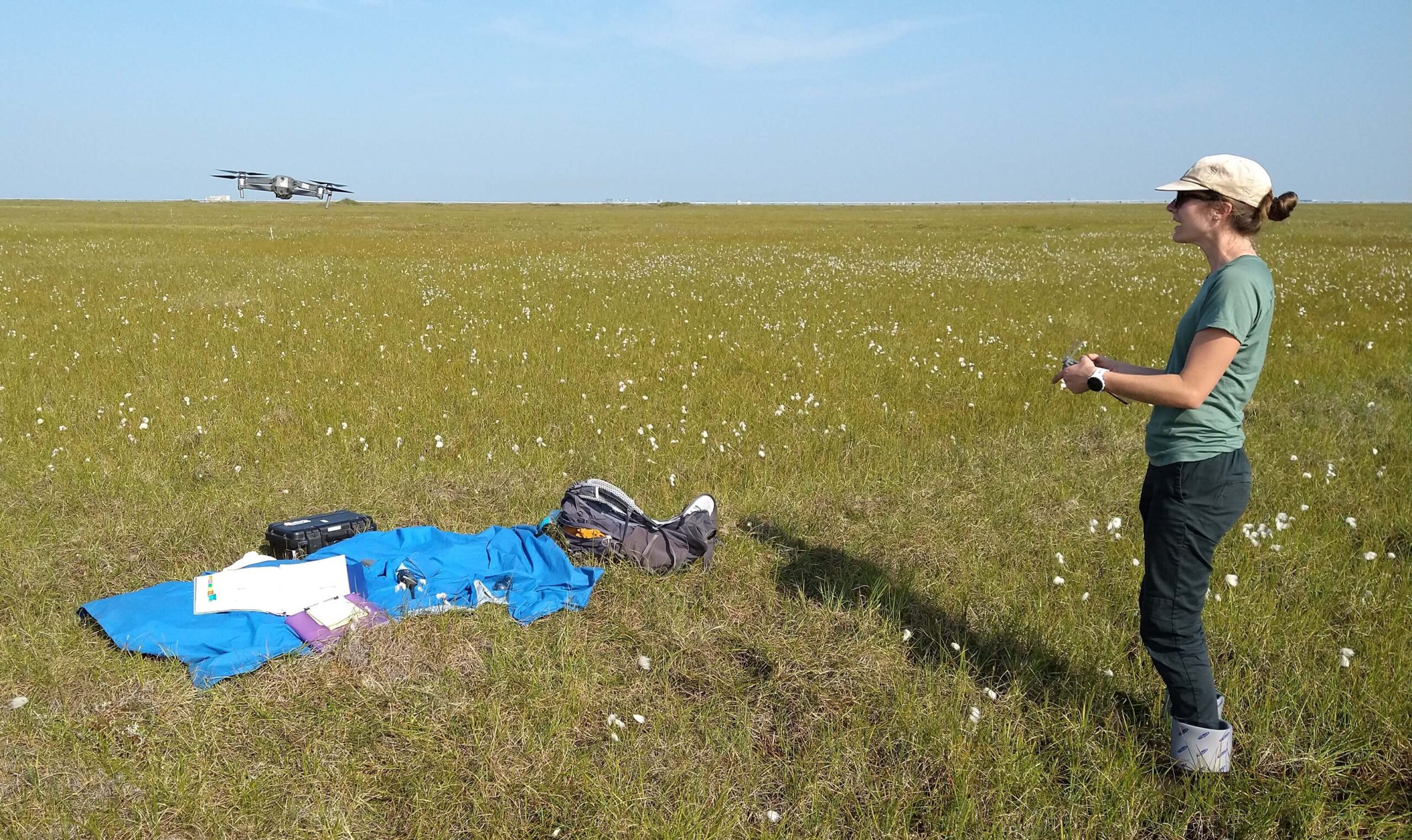
Funded since the mid-1990s, CALM provides a crucial, long-term record, and maintaining it demands annual updates. Dr. Klene and her students focus on measuring the maximum thaw depth, which generally occurs in August each year at their sites. Doing the measurements requires an annual trip to the field every summer, which offers valuable opportunities for her students to gain hands-on experience collecting data in the Arctic. The primary users of this CALM data are atmospheric and ecosystem modelers who pull the long-term records. However, due to the high spatial variability, modelers often use the mean values for their coarser-scale simulations.
In addition, the CALM data also has significant real-world applications for the following:
- Engineers: The data provides critical parameters for construction, which is why organizations, including oil and gas companies, rely on it.
- Communities: Arctic communities use the data to monitor and ensure the stability of their buildings as the permafrost thaws.
Together, Dr. Klene and her students, as well as their national and international collaborators, all work to gather data to update and maintain the archive, so it continues to be useful in empowering informed decision-making.
The Data That Powers Global Decisions
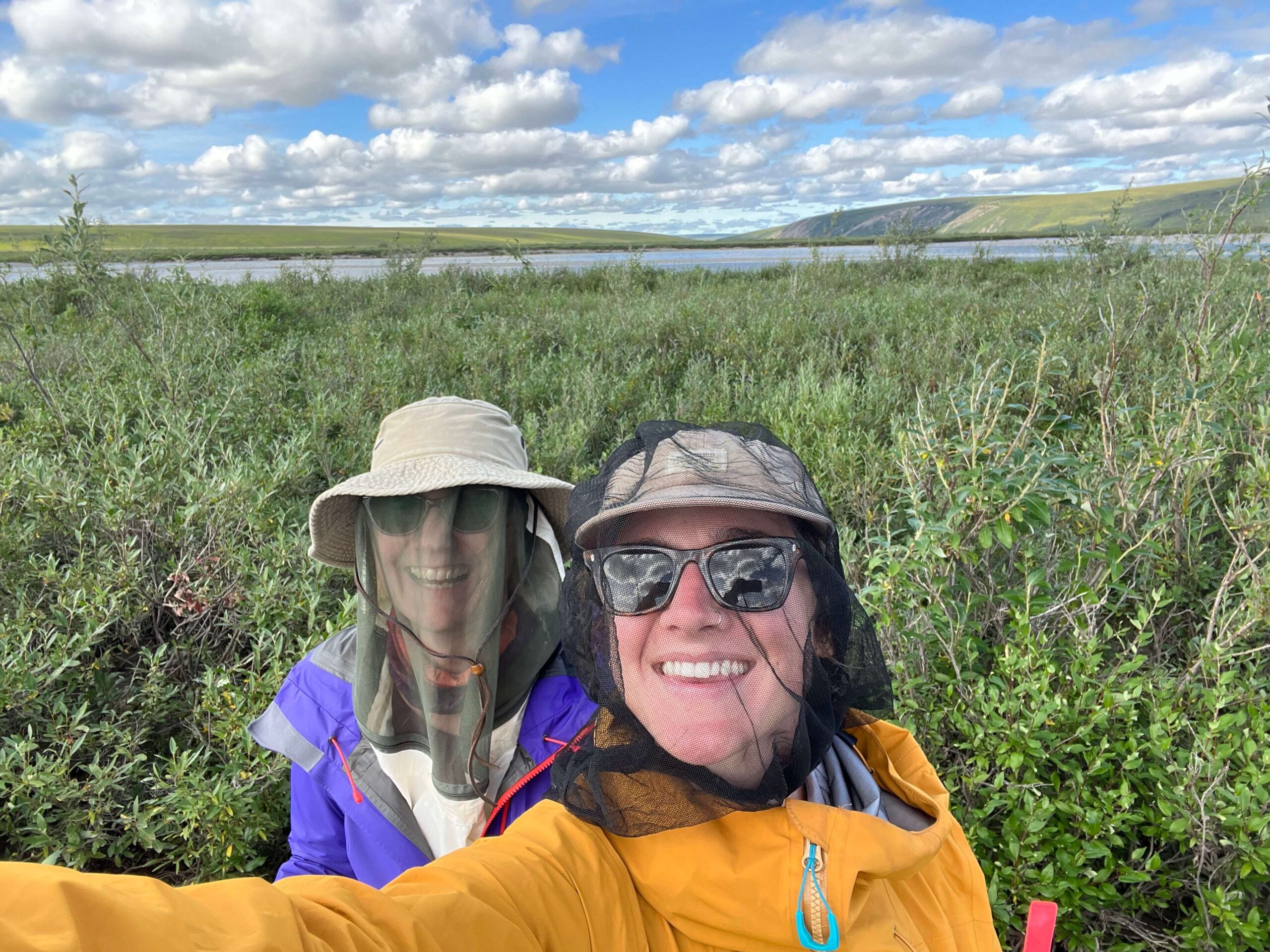
The essential work being done by Dr. Klene and her students at the University of Montana, supported in part by powerful tools like Surfer and Grapher, provides a critical, long-term dataset to the world.
By contributing to the international CALM network, the team is creating a shared, publicly available resource that is directly empowering modelers to understand global biogeochemical cycles, helping engineers ensure stable infrastructure, and supporting vulnerable communities in adapting to a rapidly changing Arctic. Along the journey, Dr. Klene’s students are also learning to manage and process complex, highly variable spatial data, equipping them to become the skilled geoscientists needed to tackle critical environmental challenges in the future.
Want to incorporate Surfer and Grapher into a classroom? Check out our Education Solutions for professors and academic teams!
Recent Articles
- Sep 16, 2026|Gabbie Rhodes|7 min
The latest Surfer release delivers smarter 3D modeling, cleaner maps, and faster workflows. Unlock these benefits by discovering the top features.
- Sep 9, 2026|Gabbie Rhodes|4 min
Explore how Submara Survey bridged the gap between terrestrial elevation data and underwater bathymetry to guide costal development in Norway.
- Sep 9, 2026|Gabbie Rhodes|10 min
In a recent webinar, John Vanderlaan, founder and owner of Prism GeoImaging, Inc., explored how to visualize geophysical data effectively.
- Sep 2, 2026|Gabbie Rhodes|8 min
Effective wildfire mitigation requires more than tracking fire behavior alone. You have to monitor multiple variables, and visualizations can help.