Examples of Women in STEM Fields: Inspiring Stories from Geoscience and Beyond

Women play a major role in advancing STEM fields. Through discovery, innovation, and leadership, they’re solving challenges and driving progress forward in technical disciplines. But what are the specific contributions they’ve made in recent years? If you’re curious, you’re in the right place. Let’s take a closer look at eight examples of women in STEM fields and the meaningful impact they’re making.
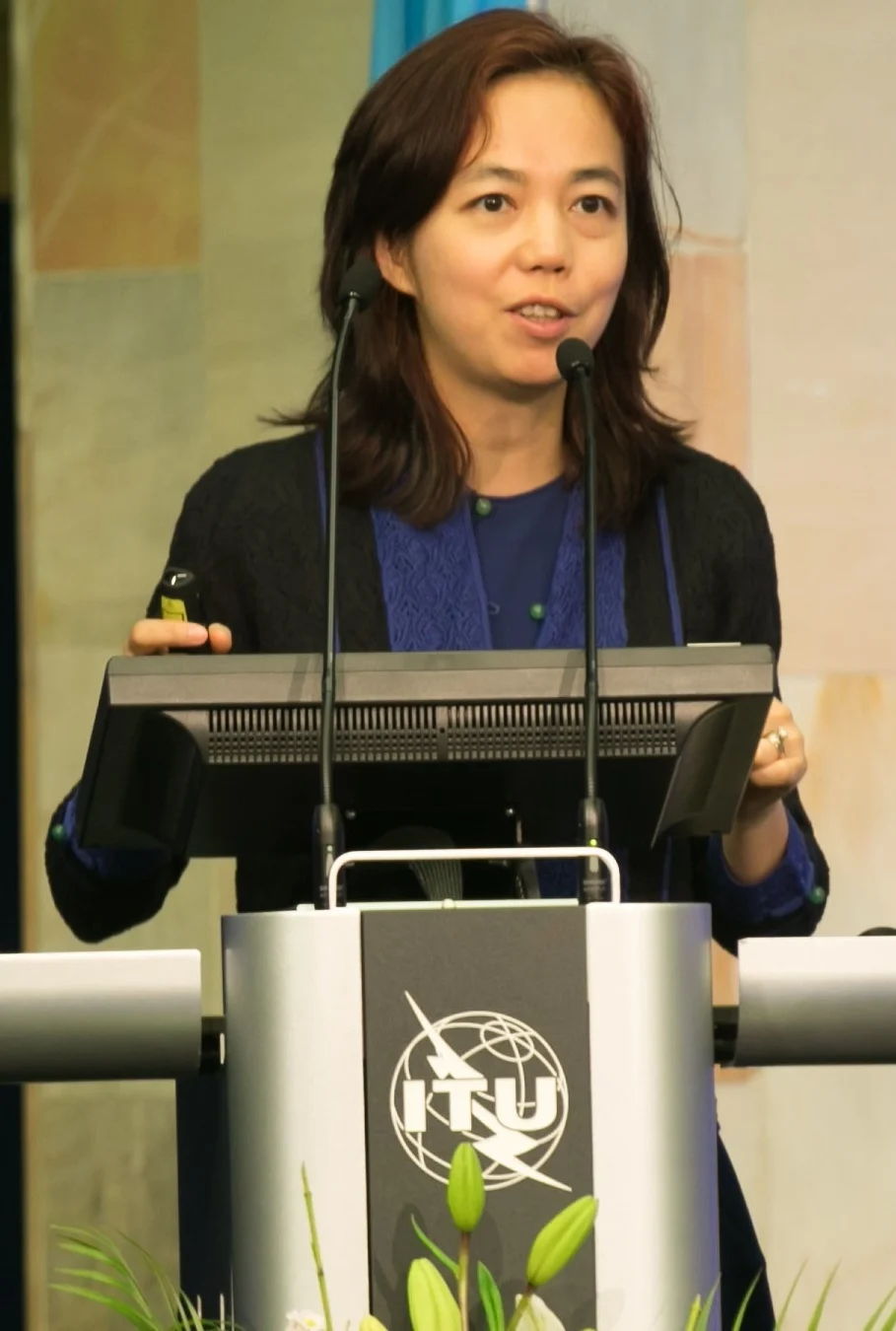
Fei-Fei Li
Fei-Fei Li is one of the most influential figures in artificial intelligence and computer vision research, often known as the “godmother of AI.” As the inaugural Sequoia Professor in the Computer Science Department at Stanford University and former Vice President and Chief Scientist of AI/ML at Google Cloud, her work has helped shape how machines interpret and understand visual information.
One of her most significant contributions was leading the creation of ImageNet in 2009, a massive visual database of over 14 million annotated images across more than 20,000 categories. ImageNet transformed the development of deep learning and computer vision systems by providing the large-scale labeled dataset required to train neural networks, effectively accelerating the global AI revolution in image recognition, autonomous systems, and machine learning.
Beyond her technical achievements, Li co-founded the non-profit AI4ALL and has consistently advocated for ethical and human-centered AI. She frequently emphasizes that technology should support people rather than replace human judgment and empathy.
Katherine Johnson
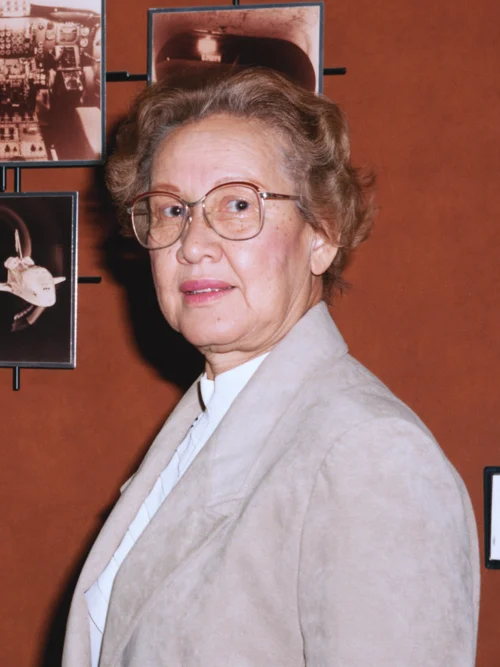
Katherine Johnson played a pivotal role in some of NASA’s earliest and most historic space missions. A brilliant mathematician, she became known for performing the orbital calculations that helped safely send astronauts into space and return them home.
Her calculations contributed to missions, including the 1961 Freedom 7 mission involving Alan Shepard, the 1962 Friendship 7 orbital flight, and the 1969 Apollo 11 moon landing. In one famous moment before John Glenn’s orbital flight, he specifically requested that Johnson personally verify the computer-generated calculations before launch because he trusted her mathematical accuracy so deeply.
Johnson worked during a time when both racial and gender barriers were significant obstacles in STEM fields. Despite those challenges, her expertise and persistence helped reshape what was possible for women in aerospace and technical careers at large. Following her passing in February 2020 at the age of 101, her story continues inspiring scientists today by demonstrating the power of precision, confidence, and perseverance in solving highly complex problems.
Bethany Ehlmann
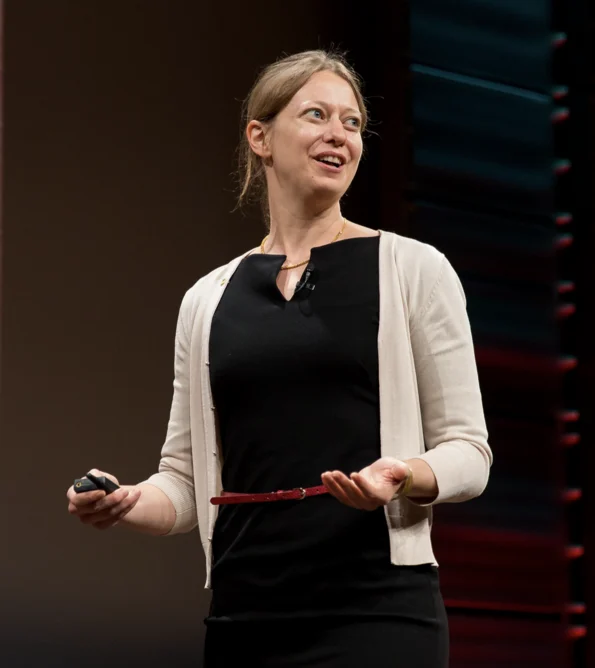
Bethany Ehlmann is a planetary scientist whose research focuses on Mars, remote sensing, and planetary geology. Her work has contributed significantly to understanding the composition, history, and environmental evolution of Mars through data collected from orbiters and rover missions.
Her career reached a historic milestone when she was recently named the first female director of the Laboratory for Atmospheric and Space Physics (LASP) at the University of Colorado Boulder. In addition to this historic role, Ehlmann is a former professor of planetary science at Caltech and has been a vital team member for high-profile planetary missions, including the Mars Curiosity and Perseverance rovers as well as the Jupiter-bound Europa Clipper mission—which carries the LASP-built Europa Surface Dust Analyzer.
Using instruments like the Compact Reconnaissance Imaging Spectrometer for Mars (CRISM), her research helped identify ancient phyllosilicates (clays) and carbonates on the Martian surface, proving that liquid water actively altered the Martian crust billions of years ago.
Jennifer Doudna
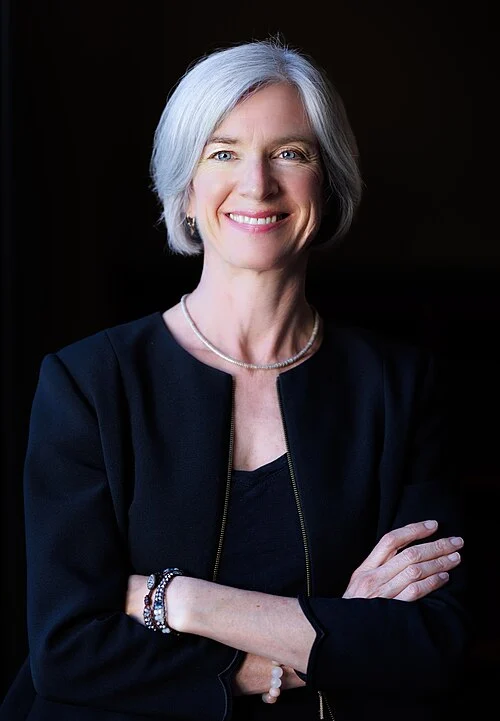
Jennifer Doudna is a biochemist best known for co-developing CRISPR-Cas9 gene-editing technology, one of the most significant scientific breakthroughs in modern biotechnology. Her work has helped transform how scientists approach genetics, disease research, agriculture, and medical treatment development.
In a landmark 2012 science paper, Doudna and her colleagues demonstrated that the CRISPR-Cas9 bacterial enzyme could be programmed to cut any DNA sequence at a targeted location with unprecedented precision and efficiency. This breakthrough opened entirely new possibilities for treating genetic disorders, advancing biological research, and rewriting the future of medicine. In recognition of this work, Doudna received the Nobel Prize in Chemistry in 2020, an award she shared with Emmanuelle Charpentier, a scientist who helped discover CRISPR-Cas9.
Beyond the scientific breakthrough itself, she has also become an important voice in conversations surrounding the ethics and responsibilities tied to gene-editing technology.
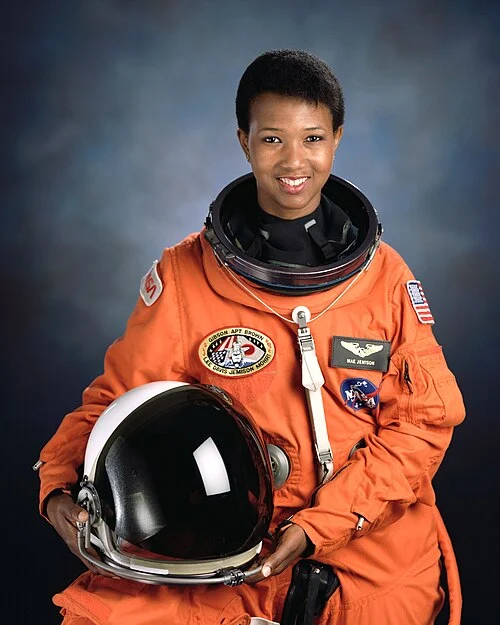
Mae Jemison
Mae Jemison made history in September 1992 as the first Black woman to travel to space, which she did aboard the Space Shuttle Endeavour. But her accomplishments extend far beyond that milestone, spanning a logged 190 hours in space where she conducted core fluid dynamics and bone cell research experiments.
According to the National Women’s History Museum, before becoming an astronaut, Jemison earned degrees in Chemical Engineering and African American Studies and then worked as a medical officer in the Peace Corps, where she provided medical support in Africa. Her career reflects an extraordinary blend of science, medicine, and global service.
After leaving NASA, she taught at Dartmouth College and continued advocating for STEM education. She has consistently encouraged students to pursue their dreams and excel in school.
Katie Bouman
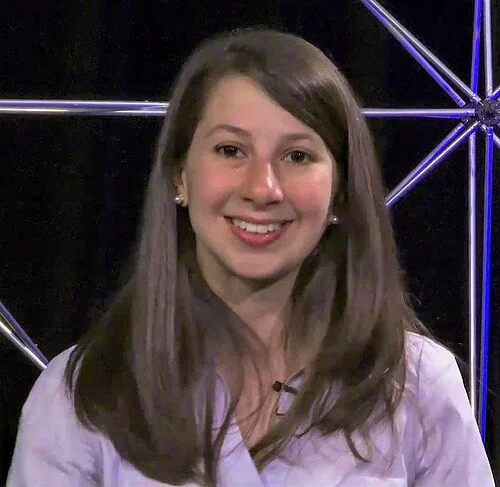
Katie Bouman is a computer scientist known for helping develop the imaging algorithms that contributed to the world’s first image of a black hole in April 2019.
Because black holes cannot be photographed directly using traditional methods, Bouman’s work focused on creating algorithms capable of reconstructing visual images from massive amounts of data. The project required syncing data from the global Event Horizon Telescope array, which accumulated 5 petabytes of raw data—a volume so large it could not be sent over the internet and had to be physically shipped on half a ton of hard drives to processing centers.
The final image of the M87 black hole became one of the most recognizable scientific achievements of the modern era and demonstrated how advanced data analysis can help humanity visualize phenomena once thought impossible to see.
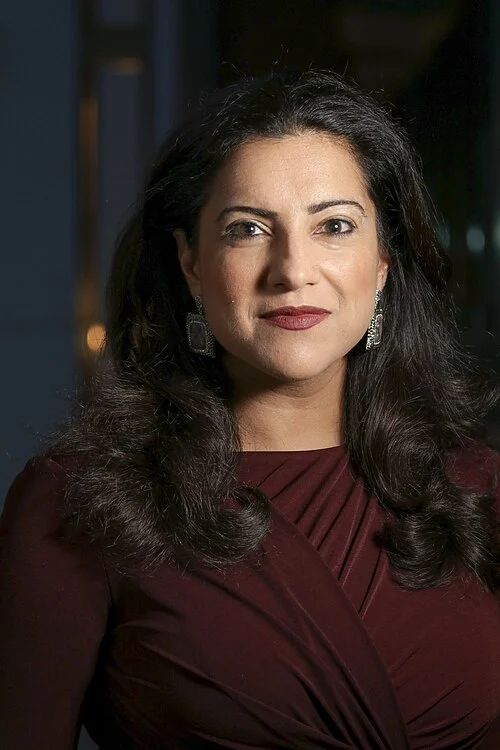
Reshma Saujani
Reshma Saujani is the founder of Girls Who Code, an organization focused on closing gender gaps in technology and computer science education. Through Girls Who Code, Saujani has helped provide coding education, mentorship, and technical opportunities to hundreds of thousands of young women around the world. Her work has played a major role in encouraging more girls to pursue careers in software development, engineering, and technology.
In addition to advocating for STEM accessibility, she frequently speaks about confidence, leadership, and the importance of challenging the fear of failure that often discourages people from entering technical fields. Over the years, her organization and advocacy have shown that strengthening STEM doesn’t only happen through research and innovation; it also happens by creating opportunities for the next generation of scientists, engineers, and technologists.
Gitanjali Rao
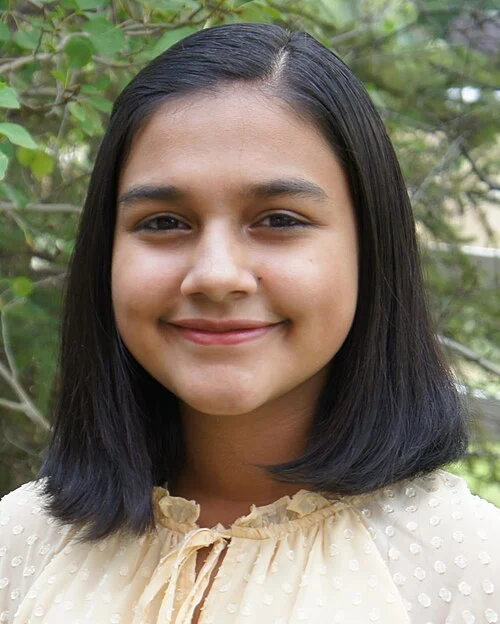
Gitanjali Rao is a young inventor and STEM advocate recognized for developing technologies focused on public health, water quality, and cyber safety. She gained national attention at 11 years old when she invented Tethys, a portable device that utilizes carbon-nanotube sensors to instantly detect lead contamination in drinking water, an invention inspired by the Flint, Michigan water crisis. She later developed Kindly, an open-source app that uses machine learning to detect and prevent early signs of cyberbullying in digital communication.
Recognized as Time Magazine’s first-ever “Kid of the Year” in 2020, Rao has run innovation workshops for over 60,000 students globally. Her work highlights a critical message for the future of STEM: innovation is not limited by age, and some of the most creative, high-impact solutions can come from fresh perspectives and new generations of thinkers.
Celebrating the Women Helping Shape the Future of STEM
The women highlighted throughout this article represent just a small glimpse into the incredible impact women continue to make across STEM. Through a commitment to discovery, innovation, and leadership, they’re helping shape how we understand the world and solve some of society’s most complex challenges.
Their stories also reinforce something important: there are so many possibilities in STEM.
Some women are driving breakthroughs in artificial intelligence or biotechnology. Others are advancing environmental science, space exploration, education, or public engagement. But all of them demonstrate how women can create meaningful impacts in STEM. As technical fields continue evolving, the contributions of women will remain essential to the future of scientific discovery and innovation.
Now we’d love to hear from you: Who is a woman in STEM that has inspired your work, career, or perspective—and what’s one lesson you’ve learned from them? Leave a comment below and help us continue celebrating the people shaping STEM.
Recent Articles
- Sep 23, 2026|Gabbie Rhodes|8 min
The best 3D data visualizations depend on the quality of your underlying grid. To achieve a great result, sometimes you need to use 3D grid filters.
- Sep 23, 2026|Gabbie Rhodes|11 min
When you're working with complex data, you need to communicate clearly. Graphs can help, especially when you follow design best practices.
- Sep 16, 2026|Gabbie Rhodes|7 min
The latest Surfer release delivers smarter 3D modeling, cleaner maps, and faster workflows. Unlock these benefits by discovering the top features.
- Sep 9, 2026|Gabbie Rhodes|4 min
Explore how Submara Survey bridged the gap between terrestrial elevation data and underwater bathymetry to guide costal development in Norway.