New Insights on the Dire Wolf in the Interior of North America
For more than a century, Aenocyon dirus—the dire wolf—has held a place in both scientific research and popular imagination. And a new paper, An update on Aenocyon dirus in the interior of North America: new records, radiocarbon dates, ZooMS spectra, and isotopic data for an iconic late Pleistocene carnivore, sheds fresh light on this iconic predator’s range, diet, and ultimate disappearance.
The paper documents the first confirmed dire wolf fossils in Iowa, revises records from the Ozark Highlands, and clarifies long-standing taxonomic debates. Using a mix of direct radiocarbon dating, Zooarchaeology by mass spectrometry (ZooMS), and stable isotope analysis, the authors place dire wolves firmly in the interior of North America before, during, and after the Last Glacial Maximum.
Among the paper’s contributors is Archaeologist and Iowa State University Professor Matt Hill, who provided key insights—some of which were brought to life through charts made in Grapher. His and the other authors’ findings not only expand the known fossil record but also reveal details about the species’ prey choices and ecological role during a time of dramatic environmental change.
Key Insights the Paper Reveals
- The first confirmed dire wolf fossils from Iowa and what they indicate about the species’ presence in the interior of North America.
- How radiocarbon dating, ZooMS, and stable isotope analysis refine our understanding of dire wolf ecology and extinction timing.
- Why previous identifications of wolf-like fossils in the region were revised, and what this means for the broader fossil record.
- Insights into dire wolf diet, prey competition, and ecological roles during and after the Last Glacial Maximum.
Learn More
The paper “An update on Aenocyon dirus in the interior of North America: new records, radiocarbon dates, ZooMS spectra, and isotopic data for an iconic late Pleistocene carnivore” was published in the PeerJ Life and Environment Journal in April 2025. Check it out to discover the latest insights into dire wolves!
Recent Articles
- Sep 16, 2026|Gabbie Rhodes|7 min
The latest Surfer release delivers smarter 3D modeling, cleaner maps, and faster workflows. Unlock these benefits by discovering the top features.
- Sep 9, 2026|Gabbie Rhodes|4 min
Explore how Submara Survey bridged the gap between terrestrial elevation data and underwater bathymetry to guide costal development in Norway.
- Sep 9, 2026|Gabbie Rhodes|10 min
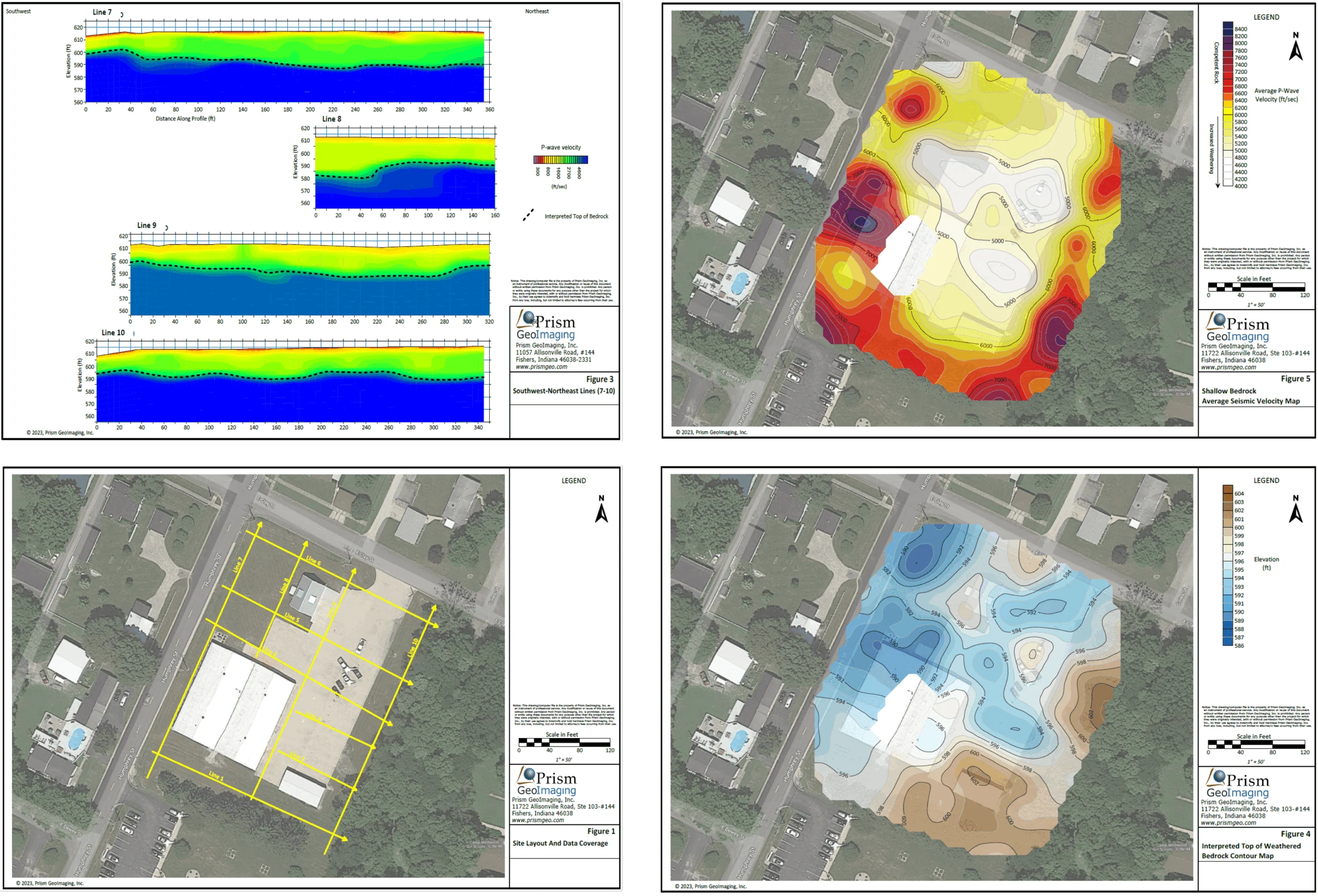
In a recent webinar, John Vanderlaan, founder and owner of Prism GeoImaging, Inc., explored how to visualize geophysical data effectively.
- Sep 2, 2026|Gabbie Rhodes|8 min
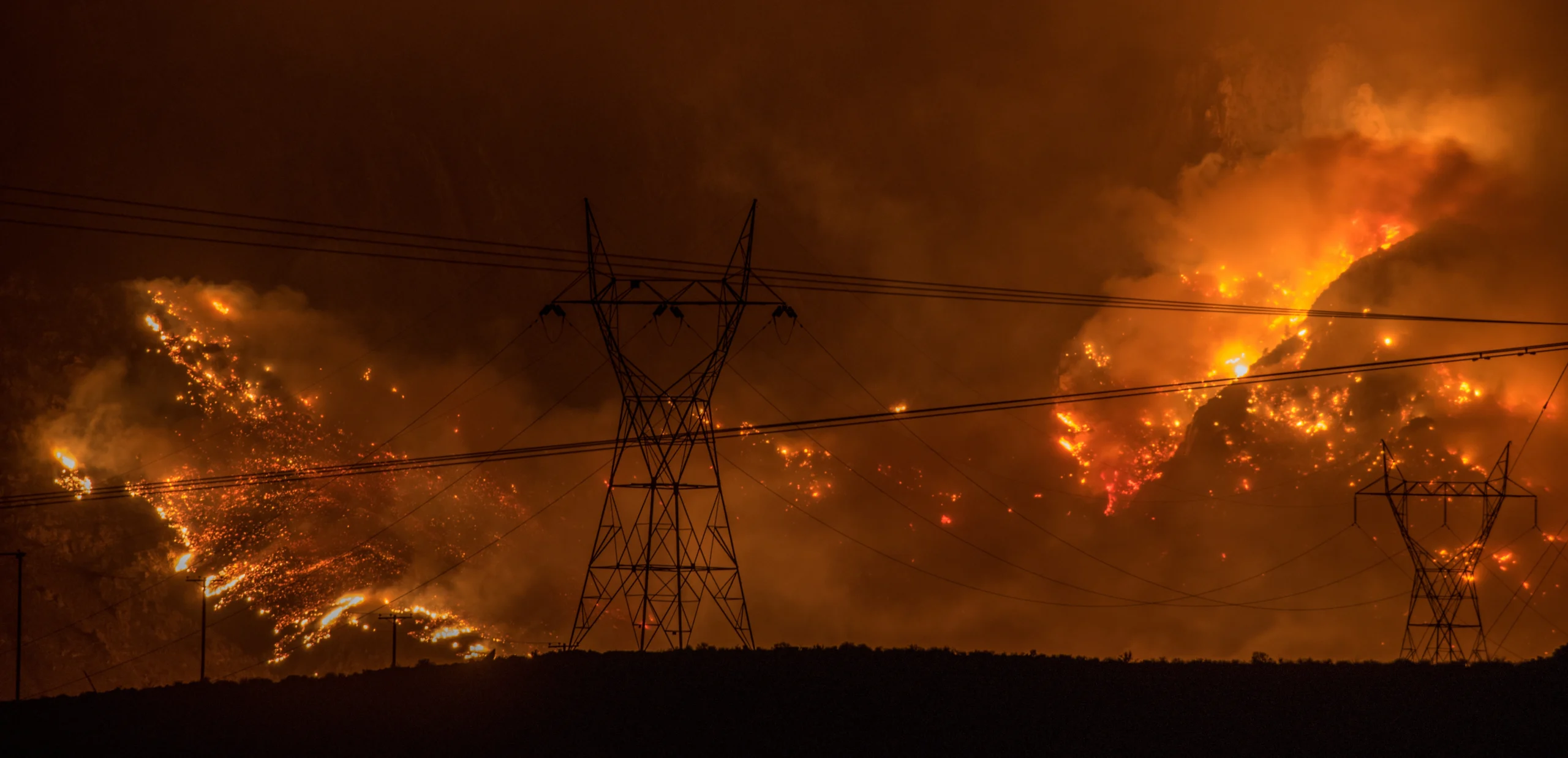
Effective wildfire mitigation requires more than tracking fire behavior alone. You have to monitor multiple variables, and visualizations can help.